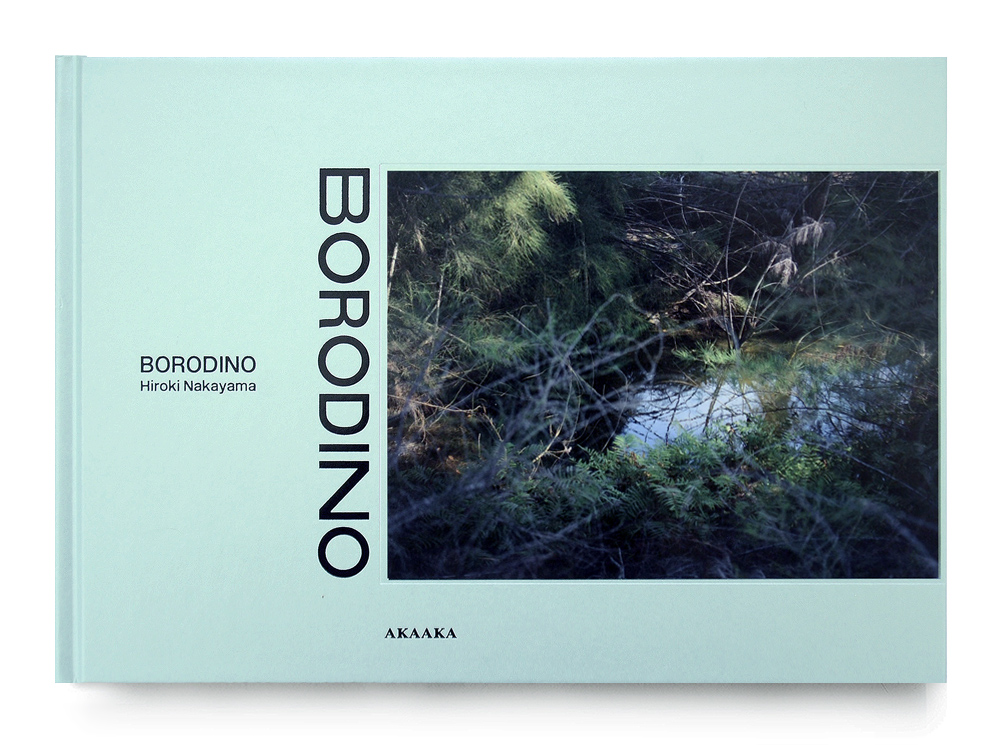
中山博喜『BORODINO』
 発行:赤々舎 Size:H188mm x W262mm Page:80 pages Binding:Hardcover Published in September 2025 ISBN:978-4-86541-209-3 |
¥ 4,500+tax
国内送料無料! お支払い方法は、PayPal、PayPay、Paidy 銀行振込、郵便振替、クレジットカード支払いよりお選び頂けます。 |
|---|
About Book
移民の歴史が息づく島、南大東島。水、緑、人の循環。
BORODINO
Hiroki Nakayama
In 1820, the Russian Navy vessel Borodino discovered the Daitō Islands, and in early twentieth-century Western maps, they appeared as "Borodino Island," named after that very ship. Yet some four hundred kilometers away in Okinawa, the islands had been known since the fifteenth century Ryukyu Kingdom as Ufuagari-jima--the "island at the farthest reaches of the east."
It was at my wife's suggestion--she had visited before me--that I finally set foot on Minami-Daitō, one of these islands. Everything about the place was singular: its geography, its flora, its history. Each element carried a distinct presence, and together they created an overwhelming atmosphere that struck me deeply. I remember losing myself in that sensation, taking photographs almost in a trance.
There are countless ways to describe the island's appeal, but for me, what stood out most was the "return rate"--the way so many people who leave the island eventually come back. It seemed both its greatest charm and its most puzzling mystery. As I spoke with the islanders and glimpsed their daily lives, a single word rose in my mind: moderation. It was the very word I often heard from Dr. Tetsu Nakamura, who led the aid organization Peshawar-kai during my years as a field worker in Pakistan and Afghanistan. We humans are part of nature itself. At times we confront it, at times we rejoice in its gifts. To live richly, we must take only what is necessary--no more, no less, always in moderation. I could not help but feel that this way of life was deeply rooted in the island.
Why had such an ethos taken hold here? Perhaps because Minami-Daitō, often called a remote island at the edge of the sea, continually forces its people to confront the essence of what it means to live as a creature among creatures. The island was born off the coast of New Guinea nearly three thousand kilometers away, drifting for over forty million years, rising and sinking before reaching its present place. In that immense span of time, it stored within itself the one thing people need most to survive: water. When the first twenty-three settlers landed, they discovered this hidden water, rejoiced--"We can live here!"--and that primal sense of happiness, I believe, still breathes throughout the island.
Yet life here has never been simple. The soil, the relentless winds, and the pounding waves make farming a constant struggle. On my first visit, most vegetables for sale had been shipped from Okinawa's main island. But on my return I learned of a hydroponic facility now producing fresh greens locally, and I was invited to see it for myself. "Now we can serve vegetables to the children at every school lunch," said Hiroshi-anī, his face bright with pride. The vegetables, grown in just the right amounts for the island's needs, were tender and brimming with life. They seemed to embody the spirit of Minami-Daitō itself--abundant precisely because they were cultivated in moderation.
Artist Information
中山 博喜
福岡生まれ。大学卒業後5年間にわたり、NGO団体・ペシャワール会の現地ワーカーとして活動に参加。活動の傍ら、パキスタン、アフガニスタンの日常を撮影する。帰国後は撮りためた写真を個展などで発表するとともに、色彩をテーマとしたカラー作品の制作を行っている。著書に「水を招く」(赤々舎)。京都芸術大学教授。
Hiroki Nakayama
Born in Fukuoka, a photographer and Professor at Kyoto University of the Arts. After graduating from university,He spent five years as a field worker with the Japanese NGO Peshawar-kai; alongside this work, the artist photographed everyday life in Pakistan and Afghanistan. Upon returning to Japan, He presented these photographs in solo exhibitions and has continued to produce color-focused projects. He published Lead the Water (AKAAKA, 2019).
Related Items
|
|
|
|
|---|
|
|
|---|